
Product Description
high quality planetary transmission Gear sun gear K905716 for CHINAMFG 957H wheel loader
[Our services
1.Mining &Construction machinery:
**Wheel loader
LG916 LG918 L918 LG933L L933 LG936L LG938L L938F LG946L L948 L948F LG952N LG952H LG953N L953F L955 L955F L955FN LG956L L956F L956FH LG958L L958F LG959 LG968 L968F LG978 LG979
**Backhoe loader
LGB877 LGB876 WZ30-25
**Motor Grader
G9138 G9165 G9180 G9190 G9200 G9220
**Road Roller
RS7120 RS7200 RS7260 RS8140 RS8160 RS8180 RS8200 RS8220
**Excavator
LG6135E LG6150E LG6210E LG6225E LG6235E LG6250E LG6300E LG6360E LG6400E
** Bulldozer
SD16 TY160 /SD22 TY220/ SD32 TY320
2.Engine parts
(Yuchai(YC6108G) CHINAMFG (Deutz TD226B,WD615) Shangchai (C6121),(6BT5.9..)
3.Transmission
(4WG180,4WG200..) HangZhou advance (ZL30E,ZL50E,YD13,WG180..)
[Customer&Exhibition]
Any interests, feel free to contact me!
| Type: | Sun Gear |
|---|---|
| Application: | Wheel Loader |
| Certification: | CE, ISO9001: 2000 |
| Condition: | New |
| Stock: | Available |
| Part Number: | K9007976 |
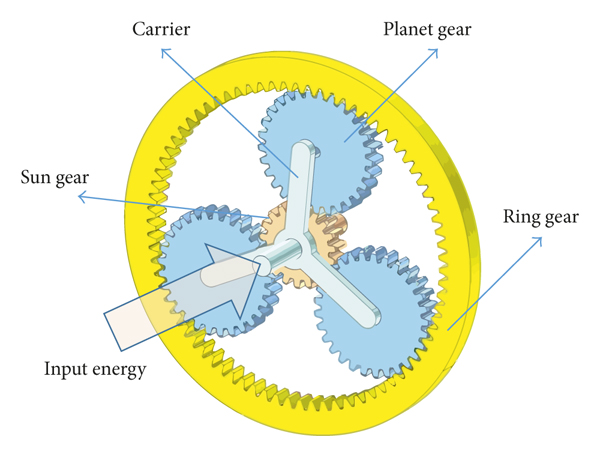
What are the safety considerations when working with sun gears in machinery?
Working with sun gears in machinery requires careful attention to safety to prevent accidents and ensure the well-being of operators. Here are some important safety considerations when working with sun gears:
- Training and Knowledge:
Operators and maintenance personnel should receive proper training and have a thorough understanding of the machinery’s operation and the specific risks associated with working with sun gears. This includes knowledge of safety procedures, maintenance protocols, and the use of personal protective equipment (PPE).
- Lockout/Tagout Procedures:
Before performing any maintenance or repair tasks on machinery involving sun gears, it is essential to follow lockout/tagout procedures. These procedures involve isolating the machinery from its power source and ensuring that it cannot be accidentally energized during maintenance. Lockout/tagout procedures help prevent unexpected movements of the gears, reducing the risk of injury.
- Personal Protective Equipment (PPE):
Appropriate personal protective equipment should be worn when working with sun gears. This may include safety glasses, gloves, protective clothing, and hearing protection, depending on the specific hazards present. PPE helps protect operators from potential injuries caused by flying debris, contact with moving parts, and excessive noise.
- Machine Guards:
Machine guards should be in place to prevent accidental contact with the sun gears during operation. Guards can be physical barriers, such as covers or enclosures, that restrict access to the gears. They act as a protective barrier and reduce the risk of entanglement or injury caused by accidental contact with rotating or moving parts.
- Maintenance and Inspection:
Regular maintenance and inspection of machinery, including sun gears, are crucial for identifying potential issues and preventing malfunctions or failures. Maintenance tasks should be carried out following manufacturer guidelines and recommendations. Inspection of gears should include checking for signs of wear, proper lubrication, and alignment.
- Proper Handling and Lifting:
When handling sun gears or transporting them within a facility, proper lifting techniques and equipment should be used. Sun gears can be heavy and require appropriate lifting devices, such as cranes or hoists, to avoid strain or injuries. Operators should also ensure that gears are securely fastened or stored to prevent them from falling or causing accidents.
- Risk Assessment:
A comprehensive risk assessment should be conducted to identify hazards associated with sun gears and their machinery. The assessment should consider factors such as gear size, rotational speed, pinch points, and potential for entanglement. Based on the assessment, appropriate safety measures and controls should be implemented to mitigate identified risks.
- Emergency Procedures:
Clear emergency procedures should be established and communicated to all personnel working with sun gears. These procedures should include protocols for responding to accidents, injuries, or equipment malfunctions. Operators should be familiar with emergency shutdown procedures and know how to safely stop the machinery in case of an emergency.
By adhering to these safety considerations, operators and maintenance personnel can minimize the risk of accidents and promote a safe working environment when working with sun gears in machinery.
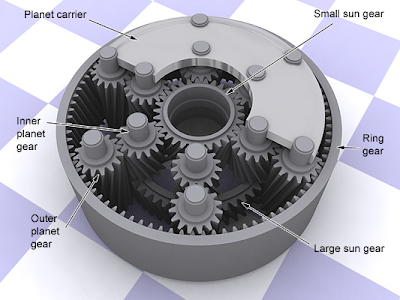
What are the considerations for lubrication and maintenance of sun gears?
Proper lubrication and maintenance of sun gears are crucial for ensuring their optimal performance, longevity, and reliability. Sun gears, like other mechanical components, require appropriate lubrication to minimize friction, reduce wear, and prevent damage. Here are some considerations for lubrication and maintenance of sun gears:
- Lubrication:
Effective lubrication is essential for sun gears to operate smoothly and efficiently. Consider the following aspects:
- Lubricant Selection: Choose a lubricant that is specifically designed for gear applications. The lubricant should have the necessary viscosity, additives, and thermal stability to provide adequate lubrication and protection to the sun gears under the operating conditions.
- Proper Lubricant Application: Ensure that the lubricant is applied correctly to the sun gears. This can involve methods such as oil baths, oil mist systems, or grease application, depending on the specific gear system and its requirements. Follow the manufacturer’s guidelines or consult with lubrication experts for the appropriate lubrication technique.
- Regular Lubricant Inspection: Monitor the lubricant condition regularly to ensure its effectiveness and to detect any signs of contamination, degradation, or insufficient lubrication. Perform oil analysis or visual inspections as recommended by lubrication experts or equipment manufacturers.
- Maintenance:
Proper maintenance practices help keep sun gears in optimal working condition and extend their service life. Consider the following maintenance considerations:
- Regular Inspections: Conduct routine inspections of the sun gears to check for any signs of wear, damage, misalignment, or abnormal operating conditions. Inspections can help identify potential issues early, allowing for timely maintenance or repairs.
- Torque and Load Monitoring: Keep track of the torque and load applied to the sun gears. Ensure that the gear system is not subjected to excessive loads or overloading, as this can lead to premature wear and failure. Use appropriate monitoring techniques, such as load sensors or torque meters, to ensure the gear system operates within its designed limits.
- Alignment and Gear Meshing: Ensure proper alignment and gear meshing between the sun gear, planet gears, and ring gear. Misalignment or improper gear engagement can cause excessive wear and damage to the gear system. Regularly check and adjust the gear alignment as needed.
- Proactive Repairs and Replacements: If any issues, such as worn teeth, damaged gear components, or abnormal vibrations, are detected during inspections or monitoring, take proactive measures to repair or replace the affected parts. Timely repairs can prevent further damage and improve the overall performance and reliability of the sun gears.
- Operating Conditions: Consider the operating conditions of the gear system, such as temperature, humidity, and environmental factors. Ensure that the sun gears are protected from excessive heat, moisture, contaminants, and corrosive substances that can adversely affect their performance and durability.
In summary, proper lubrication and maintenance of sun gears are critical for their optimal performance and longevity. Considerations include selecting the right lubricant, applying it correctly, inspecting the lubricant regularly, conducting routine inspections, monitoring torque and load, ensuring proper alignment and gear meshing, performing proactive repairs and replacements, and considering the operating conditions. Adhering to these considerations helps ensure reliable and efficient operation of sun gears in various mechanical systems.
What are the advantages of using a sun gear in a planetary gear set?
The utilization of a sun gear in a planetary gear set offers several advantages, contributing to the popularity and wide range of applications of this gear configuration. Understanding the specific benefits of using a sun gear helps in appreciating its advantages in mechanical systems. Here’s an explanation of the advantages of using a sun gear in a planetary gear set:
- Torque Amplification: One of the significant advantages of a planetary gear set with a sun gear is its ability to amplify torque. By arranging the sun gear, planet gears, and an outer ring gear, torque can be multiplied or reduced depending on the specific gear ratio configuration. This torque amplification feature is particularly useful in applications where high torque output is required, such as automotive transmissions and heavy machinery.
- Compact Design: Planetary gear sets with a sun gear often enable a more compact and space-efficient design. The central positioning of the sun gear, along with the arrangement of other gears, allows for a reduction in overall size while maintaining efficient power transmission. This compactness is advantageous in applications with limited space or weight restrictions, where a smaller and lighter gear system is desirable.
- High Gear Ratios: The presence of a sun gear in a planetary gear set facilitates the attainment of high gear ratios. By manipulating the sizes and arrangements of the sun gear, planet gears, and ring gear, a wide range of gear ratios can be achieved. This flexibility in gear ratio control enables planetary gear sets to provide various output speeds and torque levels, allowing for customization based on the specific requirements of the mechanical system.
- Load Distribution: The sun gear’s engagement with multiple planet gears in a planetary gear set allows for load distribution among the gears. This distributed load-sharing characteristic helps in reducing the load on individual gears, resulting in improved reliability and longevity of the gear system. It also enables efficient power distribution and helps prevent excessive wear and stress on any single gear within the system.
- Directional Control: Planetary gear sets with a sun gear provide versatile directional control. By fixing or holding the sun gear while the ring gear or planet carrier is driven, the gear system can achieve different output directions, such as forward or reverse rotation. This directional control feature adds flexibility to mechanical systems, allowing for a wide range of applications that require bidirectional power transmission.
- Multiple Output Shafts: Another advantage of using a sun gear in a planetary gear set is the possibility of having multiple output shafts. By incorporating additional planet gears and output shafts, a planetary gear set with a sun gear can deliver power to multiple outputs simultaneously. This feature is beneficial in applications that require power distribution to multiple subsystems or components within a complex mechanical system.
In summary, the advantages of using a sun gear in a planetary gear set include torque amplification, compact design, high gear ratios, load distribution, directional control, and the potential for multiple output shafts. These advantages make planetary gear sets with a sun gear well-suited for a wide range of applications, including automotive, aerospace, machinery, robotics, and more.


editor by CX 2023-10-21